Ketamine is a dissociative anesthetic that has been used in hospitals and outpatient medical facilities for over 50 years.
In individual therapy, ketamine is utilized as an off-label treatment for treatment-resistant depression. Importantly, however, ketamine is also used to address anxiety, trauma, and grief alongside depression (Smith, K. L., 2023).
Ketamine can be administered in various ways: via infusion, intramuscular injection, nasal spray, or dissolvable tablets. During ketamine-assisted psychotherapy (KAP) sessions at Marta Kem Therapy, my clients use the dissolvable tablets prescribed by their psychiatrist or nurse practitioner, and the absorption of the medicine occurs through the membrane of the mouth.
Ketamine has been extensively studied in patients struggling with treatment-resistant depression, and two-thirds of these patients reported improvements in their symptoms compared to using antidepressants.
However, a patient doesn’t have to be diagnosed with treatment-resistant depression to benefit from KAP sessions. Clients who struggle with anxiety, depression, trauma, and grief also benefit from this medicine. Ketamine helps with:

Ketamine, unlike other psychedelics, is an excellent medicine for use during psychotherapy because:
When taken at a psychelytic dose (lower dose), ketamine works on decreasing default-mode networks which allows the psyche to become more flexible. In other words, it lowers cognitive defenses so that it is easier to access material that needs to be processed and worked through. Psychelytic dose also helps clients access their body somatically which is a key in processing emotions.
When taken at a psychedelic dose (medium dose), ketamine helps the body generate even more somatic experiences. Sensing the body becomes easier, allowing old emotions to flow through and create space for something new. Finally, at high doses, ketamine enables mystical and spiritual experiences that can serve as guiding forces in people’s lives.
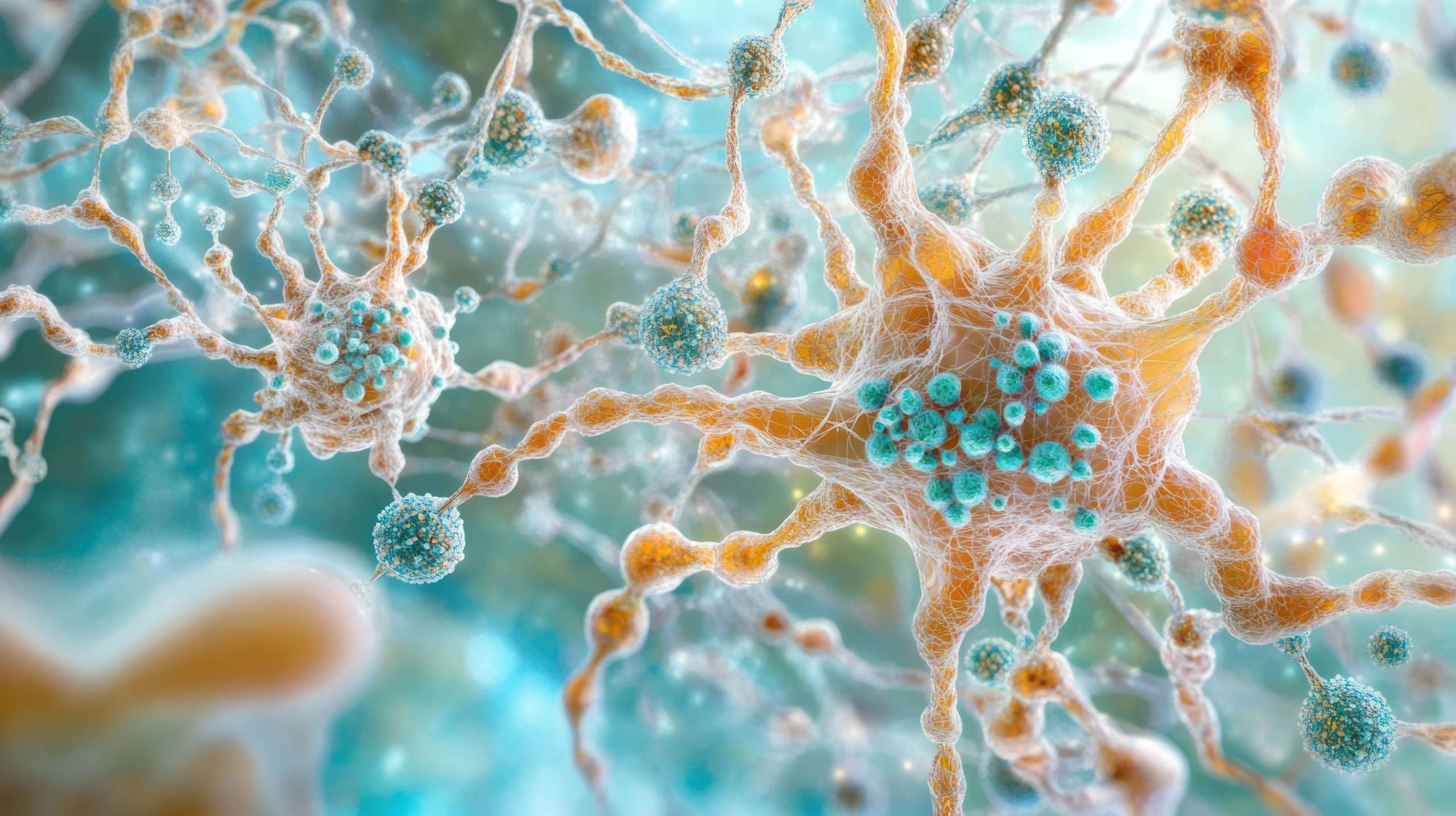
The medicine promotes neuroplasticity during and for 3 to 4 days after treatment. This means that new synaptic connections can form more easily, making it less likely to revert to old patterns of thinking, feeling, and behaving. As a result, clients have new opportunities for growth and change, as their minds are functioning beyond their default mode. To maximize the benefits of this medicine, it is crucial to develop a plan for the days surrounding each treatment—this involves unwinding, letting go of the old, and embracing the new.
At Marta Kem Therapy, we most often use the lower dose of ketamine in order to allow for the actual AEDP psychotherapy to happen. At this lower dose, clients are able to talk and stay engaged with the therapist.

Ketamine has been used as a recreational street drug and is also known as Special K. Undoubtedly, the misuse of this medication by individuals, including prescribing providers, has contributed to its stigma. For these reasons, for a long time, I haven’t considered using ketamine in my own healing journey, let alone with my clients.
It is unfortunate that anything—if used extensively or in inappropriate settings—can gain a bad reputation that further closes people’s minds for the potential benefits.
If your prescribing provider determines you are eligible for ketamine, rules out any medical or psychological contraindications, there are 2 options for where we can have a KAP session:
1. At my office in Northglenn: 11154 Huron Street #104A. This option is ideal when your home feels too busy and disruptive, and when you want an additional layer of in-person support. The only downside to meeting at my office is that you will need to be dropped off and picked up, as driving is not permitted after the KAP session.
2. At your own home with me joining you over Zoom. For that option to be viable, your prescriber must agree to the at-home use of the medicine. This option works very well and removes the need to arrange transportation to and from my office. If we agree that it is safe for you to take the medication at home, it is crucial to prepare your living space so that it is free from distractions. I can certainly guide you through that process and will send you basic information about what to expect.

As much as I would like to promise you that once you take ketamine (or any psychedelic, for that matter), your brain will be rewired and your life will be changed forever, I cannot do that. Ketamine doesn’t solve anything. It offers you an experience—a moment of revelation, perhaps a felt sense of safety, an epiphany, an embodied somatic sense of goodness—that you can then use to continue your work in psychotherapy and as inspiration to keep crafting a life that is joyful, congruent, and connected.
Karen Smith, who wrote a great step-by-step guide for KAP, said it beautifully: “The medicine session isn’t the main event: the therapy is.” I cannot agree more with her words. Ketamine is just a tool (just like Breathwork or Brainspotting are tools).
The key vehicles for central change are your inner healer and integration work through psychotherapy sessions.
Additionally, many clients approach these medicine sessions with the expectation of having beautiful visuals or profound insights. While some may indeed experience this, it doesn’t happen for most of us. Rather than visuals, we might feel somatic movements in our bodies; instead of insights, we might feel a sense of “nothing.” Letting go of specific expectations is crucial so we can make room for whatever experience needs to unfold.
Intention setting and integration are crucial because without them, the whole purpose of Ketamine-Assisted Psychotherapy is missed.
For example, if, during the ketamine session, the client connects deeply with the inner wisdom and knowledge about something in their life that needs changing, and the client does nothing to implement these changes after the KAP session is over, the client is missing the point of using this medicine as an assistant in psychotherapy.
I provide KAP sessions only to clients I have worked with for a while. That way, the intention for the session often emerges organically from the material we cover in our psychotherapy sessions. If you are a new client reading this, please know that I require at least four to six therapy sessions without medicine before conducting KAP sessions with you.
Integration of the material from the medicine session typically occurs during the post-medicine psychotherapy session, which is usually scheduled a few days later. We understand that three to four days after the treatment, the medicine continues to work on a more subtle level. This period is crucial because the mind is more flexible and open, making new synaptic connections more readily available.
Therefore, this is the perfect time to reflect on some key themes of the session. Additionally, it’s an excellent opportunity to journal, read inspiring books, immerse yourself in nature, take a salt bath, move your body, listen to the playlist I will share with you after each of the medicine sessions, or enjoy music that inspires you. Essentially, we aim to create an extension of that comfortable, safe environment where healing can continue.

I have a list of psychiatrists and psychiatric nurse practitioners trained in KAP who would be happy to connect with you. Most of them accept a variety of insurance plans.
There are also places such as: https://www.joyous.team or https://www.mindbloom.com where you can meet with a provider to see if you qualify for a ketamine prescription.
The training I received recommended having 6-8 KAP sessions in a row. The medicine sessions may alternate with the integration sessions. Sometimes, we can do three medicine sessions in a row, have an integration session, and then do the additional three. After 6-8 sessions, the KAP treatment is over, and there is no more need for additional KAP sessions. At times, a booster KAP session can be offered annually.

Ketamine is not suitable for everyone, and your prescriber will conduct a thorough mental health evaluation to ensure that you are the appropriate candidate for this medication. Here is a general list of medical and psychological contraindications:
I have deep respect for psychedelic medicine. This practice is powerful, and we must not take it for granted or underestimate it. I appreciate what my teacher, Dori, said during my KAP training: “Only when I don’t see something in me, can I be a risk to others.” Holding space for individuals in these vulnerable moments requires me to stay fully committed to my own personal work, ensuring that I remain honest, full of integrity, and consistently striving for the best interest of my clients.
Ketamine Assisted Psychotherapy is not for everyone. If you are not interested in KAP, but you are intrigued about using other psychedelics to assist you on your healing journey, let’s talk about other medicine, such as mushrooms.
Psilocybin-assisted psychotherapy was approved in Colorado through Proposition 122 in November of 2022. Since March 16th, 2025, psilocybin-assisted therapy is now legally available in Colorado.
I am considering starting a mushroom facilitator training program in January 2025 and becoming a licensed, DORA-approved mushroom facilitator. This intensive facilitator training is a huge investment, and if I decide to commit myself to it, I will be able to offer psilocybin-assisted therapy by July of 2026.
If you are interested in a psilocybin-assisted therapy with me, but are not able or willing to wait until next year, please know that I am currently partnering with a few experienced facilitators. I can introduce you to them and see if one of them feels like a good fit. Once you pick your guide, you can invite me into your psilocybin journey, and I, along with the facilitator, will both support you on your journey.
Having experienced that myself, where my long-term therapist, along with the mushroom facilitator, BOTH held space for me during my journey, I can say that this experience not only deepened my relationship with my own therapist, but it also took our therapy sessions to a new level.

